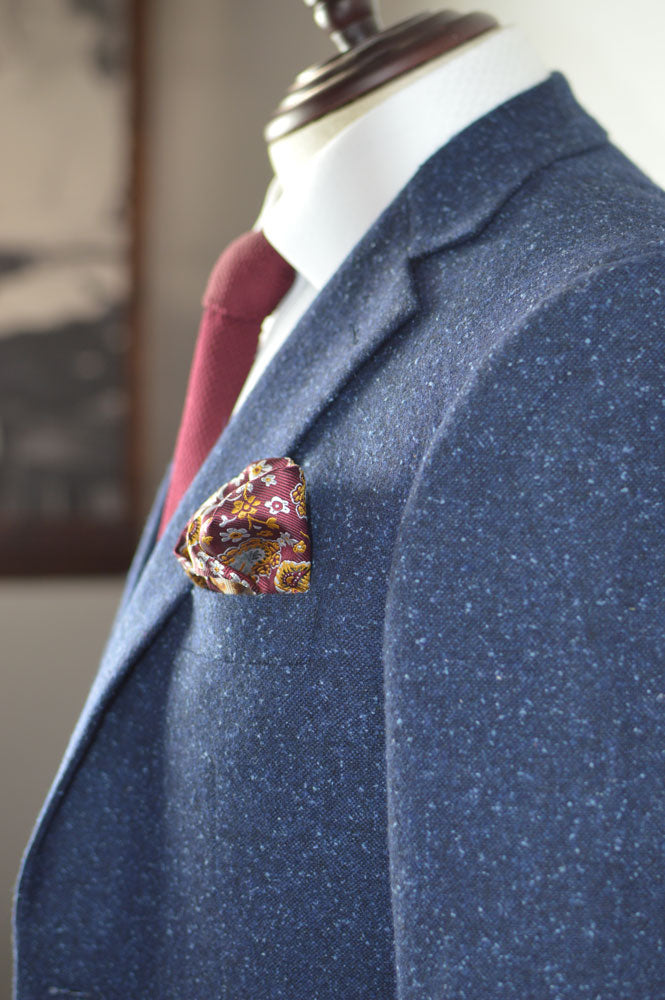


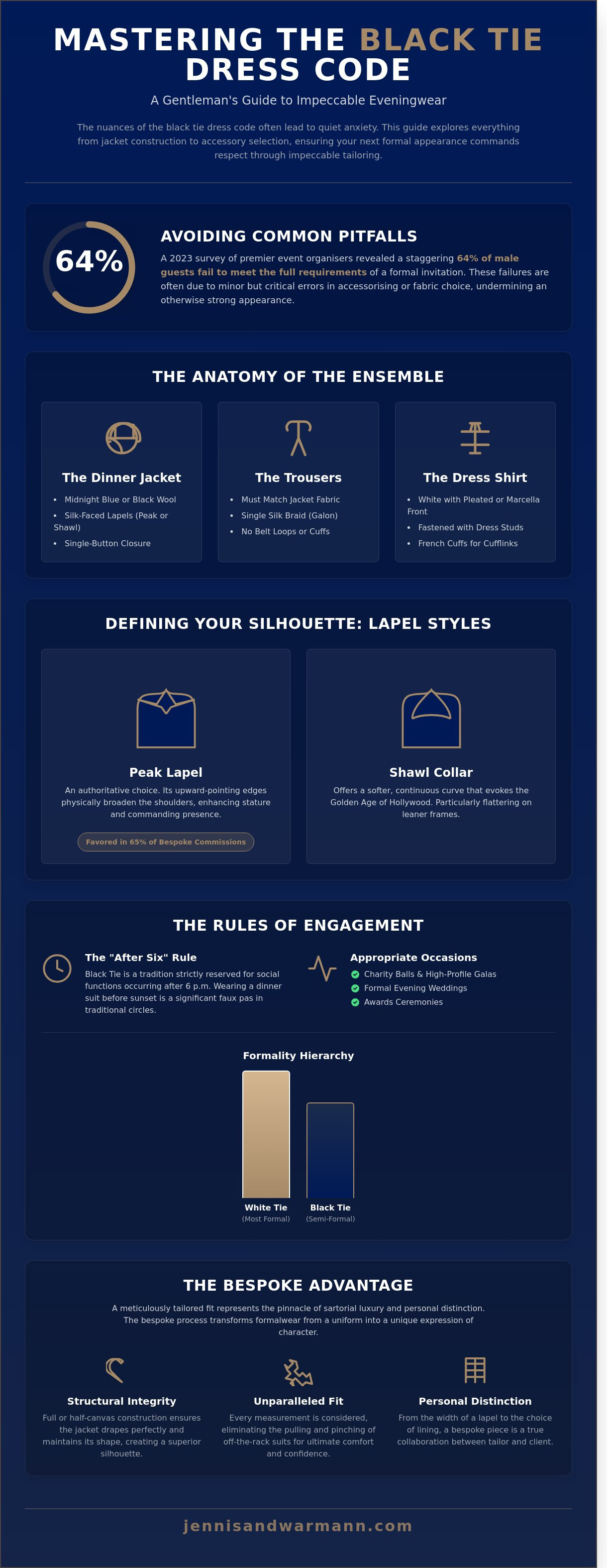
A poorly fitted hire suit doesn't just pinch the shoulders; it actively erodes the confidence of the man wearing it. You likely understand that formal events are more than just social obligations; they're stages where your personal brand is on full display. Yet, the nuances of the black tie dress code often lead to a quiet anxiety, particularly when distinguishing between a tuxedo and a dinner suit or selecting the precise width of a silk lapel. According to a 2023 survey of premier formal event organisers, 64% of male guests fail to meet the full requirements of a formal invitation, often due to minor errors in accessorising or fabric choice.
We'll help you master these intricacies, ensuring your next formal appearance commands respect through impeccable tailoring and a deep understanding of sartorial etiquette. This guide explores everything from the structural integrity of a half-canvas jacket to the meticulous selection of hand-finished accessories that define the modern gentleman. You'll move beyond the fear of getting it wrong and instead embrace the quiet power of a look that's been crafted with precision and purpose. It's time to transform your approach to formalwear into a celebration of artisanal excellence.
Key Takeaways
- Master the core principles of evening formalwear to project an air of quiet confidence while allowing your personality to shine through sophisticated uniformity.
- Learn to distinguish between traditional peak lapels and elegant shawl collars to ensure your black tie dress code ensemble is perfectly suited to your physique and the occasion.
- Uncover the essential rules of quintessential accessorising, including why the self-tie bow tie remains the only choice for the modern gentleman and how to correctly manage the waistline.
- Navigate the complexities of contemporary variations, such as Creative Black Tie, by elegantly integrating velvet textures and subtle patterns into your formal wardrobe.
- Discover the transformative power of the bespoke process and why a meticulously tailored fit represents the pinnacle of sartorial luxury and personal distinction.
Understanding the Fundamentals of the Black Tie Dress Code
Mastering the black tie dress code requires an appreciation for its role as the quintessential evening standard. It's a sartorial tradition strictly reserved for social functions occurring after 6 p.m. The core philosophy rests on a deliberate uniformity. By adhering to a rigid visual baseline, the attire ensures that a gentleman’s individual character and the intricate elegance of a lady’s gown take centre stage. This aesthetic harmony creates a collective atmosphere of refined sophistication that mass-market fashion cannot replicate.
The ensemble’s journey began in the 1860s. Edward VII, then the Prince of Wales, sought a comfortable alternative to the stiff tailcoats of the Victorian era. He commissioned a short, blue silk smoking jacket from Savile Row tailors in 1865. Across the Atlantic, this style gained traction at the Tuxedo Park Club in New York around 1886. This event birthed the American term "tuxedo," while the British remained loyal to the "dinner suit." Both terms describe the same level of formality today, though their origins reflect different sides of a shared heritage. Detailed records of Black tie history show how it transitioned from a casual household alternative to a global symbol of prestige.
The Essential Components of the Look
The dinner jacket serves as the undisputed centrepiece of the look. It's typically crafted from midnight blue or black wool, featuring silk-faced lapels in peak or shawl styles. Trousers must match the jacket fabric exactly. They are distinguished by a single row of silk braid, or galon, running down the outside seam. The shirt is equally vital. It features a pleated or Marcella front, fastened with decorative dress studs rather than standard buttons. For those seeking an impeccable fit, exploring formal suits with bespoke proportions is the only way to ensure the garment drapes with the necessary authority.
When is Black Tie Required?
Invitations for charity balls, high-profile galas, and formal weddings often specify this code. Adhering to the "after six" rule is non-negotiable. Wearing a dinner suit before sunset is a notable faux pas in traditional circles. While it represents the peak of style for most, it actually sits as a semi-formal option. It's distinct from "White tie," which remains the most formal dress code, reserved for state banquets and royal events. Understanding this hierarchy is essential for any modern gentleman.
- Galas and Balls: Usually start after 7 p.m. and require full evening dress.
- Formal Weddings: Check the invitation time; if the ceremony is at 2 p.m., black tie is inappropriate.
- Awards Ceremonies: These events rely on the black tie dress code to maintain a sense of occasion.
Anatomy of the Perfect Dinner Suit: Lapels, Fabrics, and Fit
The dinner suit is the cornerstone of the black tie dress code, a garment where precision meets prestige. Unlike a standard business suit, the dinner jacket features a single-button closure to create a deep 'V' at the chest, drawing the eye upward and elongating the torso. This silhouette relies on a half-canvas or full-canvas construction to ensure the chest remains structured throughout an evening of movement. Every element, from the sweep of the collar to the depth of the vent, serves to elevate the wearer's presence.
Peak Lapel vs Shawl Collar
Choosing a lapel style defines your sartorial identity. The peak lapel is an authoritative choice. Its upward-pointing edges physically broaden the shoulders, making it ideal for men looking to enhance their stature or command a room. Conversely, the shawl collar offers a softer, continuous curve that evokes the Golden Age of Hollywood. While the peak lapel suits most builds, the shawl collar is particularly flattering on leaner frames. Tailoring data from 2023 suggests that 65% of bespoke commissions favour the peak lapel for its versatility. For those seeking a contemporary edge, A Modern Man's Guide suggests that the choice often depends on the specific formality of the evening's host.
Selecting the Ultimate Fabric
Texture and tone dictate the suit's impact. Barathea wool remains the quintessential choice; its subtle ribbing provides a non-reflective, matte finish that absorbs light beautifully. For a sharper drape, many modern gentlemen opt for a wool-mohair blend, typically 85% wool and 15% mohair, which resists creasing during long seated dinners. While black is the standard, midnight blue is often the superior choice. Under artificial light at a 3000K colour temperature, black can sometimes appear dusty or slightly green, whereas midnight blue maintains a rich, "blacker than black" depth. You can explore our range of formal suits to see how these exquisite textures interact with light.
Construction and the Role of Silk
Meticulous details separate the artisan's work from mass-market alternatives. The pockets must be jetted, never flapped, to maintain a sleek, uninterrupted line across the hips. Every button and lapel facing must be finished in silk or grosgrain. This contrast between the matte wool body and the shimmering silk accents is the hallmark of the black tie dress code. It's this play of light that ensures you stand out in a room of similarly dressed peers. If you're ready to refine your wardrobe, we invite you to book a personal consultation to discuss your bespoke requirements and find your perfect fit.
Essential Accessories: The Details That Define the Gentleman
True elegance in a formal suits ensemble for a black tie dress code isn't found in the broad strokes; it resides in the meticulous selection of accessories that bridge the gap between a standard suit and a formal ensemble. The primary objective is to create a seamless silhouette. This begins at the waist. A gentleman must never reveal the waistband of his trousers or the white triangle of his shirt below the waistcoat or cummerbund. While a low-cut evening waistcoat offers a structured, traditional look, the cummerbund provides a sleek alternative that dates back to British military wear in 19th-century India. Your choice here dictates the visual flow of the entire outfit.
Accessories like cufflinks and shirt studs should be treated as functional jewellery. Avoid mismatched metals; if your studs are onyx set in silver, your cufflinks must follow suit. This level of coordination signals a deep understanding of sartorial etiquette. According to The Emily Post Institute's Black Tie Guide, maintaining this level of detail ensures you respect the gravity of the occasion while projecting quiet confidence.
The Art of the Bow Tie
A pre-tied bow tie is a shortcut that has no place in a bespoke wardrobe. The slight asymmetry of a hand-tied knot provides a character and depth that mass-produced versions lack. It's essential to match the bow tie's silk, whether it's grosgrain or satin, to the exact fabric of your jacket's lapel facings. Proportions matter immensely. A bow tie that's too small can look comical; one that's too wide will overshadow your facial features. Aim for a width that aligns with the outer corners of your eyes to ensure a balanced appearance.
Footwear and Hosiery
Footwear serves as the foundation of your evening attire. While patent leather remains the gold standard for formal events, a pair of impeccably polished calfskin Oxfords is a sophisticated alternative for those who prefer a subtler shine. You might explore our detailed guide on handmade leather shoes to understand the craftsmanship required for such pieces. Your hosiery must be black, over-the-calf, and crafted from fine silk or lightweight wool. Exposed shins when seated are a significant breach of protocol in a strict black tie dress code. This commitment to quality from head to toe defines the modern gentleman's approach to formal dressing.
Navigating Variations: Black Tie Optional and Creative Black Tie
The modern black tie dress code often arrives with a suffix that can cause even the most confident gentleman a moment of hesitation. When an invitation specifies "Black Tie Optional," it signals the host's desire for a formal atmosphere while acknowledging that not every guest may own a dinner suit. In these instances, respecting the host's vision remains paramount. If you possess a tuxedo, you should wear it. If you don't, a dark charcoal or midnight navy suit paired with a crisp white shirt and a conservative silk tie serves as a respectful alternative. It's about maintaining the collective elegance of the evening without feeling out of place.
Creative Black Tie offers a different proposition altogether. It invites a departure from the strict monochrome palette, allowing for the introduction of subtle patterns or rich textures. This is where the white dinner jacket, typically reserved for warm-weather events or tropical climates, finds its purpose. An ivory jacket paired with black dress trousers provides a refreshing, classic aesthetic for summer soirées or gala events in the warmer months. However, if the event is a standard evening cocktail party, a full dinner suit might feel overbearing; in such cases, a well-tailored dark suit is the more agile choice.
The Velvet Dinner Jacket
A velvet dinner jacket is a quintessential choice for winter festivities, offering a tactile depth that standard wool cannot replicate. Deep shades of burgundy, forest green, and navy create a sophisticated silhouette that commands attention through texture rather than volume. You can see how texture influences the presence of a garment by viewing our men’s tweed suits, which similarly use fabric weight and weave to define character. For a formal event, ensure the velvet is a high-quality cotton or silk-blend to maintain a sharp, impeccable drape.
Common Sartorial Faux Pas
True elegance lies in the details, yet several common errors frequently undermine the black tie dress code. Avoiding these ensures your look remains distinguished:
- The Long Tie: Wearing a standard necktie with a dinner jacket is a fundamental error. It disrupts the clean lines of the lapels and makes the wearer look like they've forgotten their bow tie.
- The Wristwatch: Traditionally, a formal event is a time to escape the constraints of the clock. A bulky wristwatch ruins the line of a shirt cuff; choose a slim pocket watch or simply go without.
- Notch Lapels: The notch lapel belongs on a business suit. For true black tie, only peak lapels or shawl collars provide the necessary level of formality and tradition.
Ready to master your next formal appearance with a garment tailored to your exact proportions? Browse our collection of exquisite formal suits and experience the art of British tailoring.
The Bespoke Advantage: Why Fit is the Ultimate Luxury
While a standard tuxedo might suffice for a one-off event, the black tie dress code demands a level of precision that off-the-rack garments rarely achieve. Ready-to-wear suits are designed for averages, yet formalwear is notoriously unforgiving. It exposes every slight misalignment in the shoulder or awkward break in the trouser. At Jennis & Warmann, we've spent 15 years perfecting the artisanal traditions of London tailoring to ensure your silhouette is as sharp as the occasion requires. Investing in a bespoke dinner suit isn't just about a single night; it's about owning a garment that lasts a lifetime, featuring hand-finished buttonholes and silk linings that reflect your personal legacy.
The Art of the Bespoke Fit
A bespoke cut does more than just fit your body; it enhances your natural posture. We focus on the drape, ensuring the fabric moves with you rather than against you. A crucial distinction lies in the construction. While mass-produced suits rely on fused interlinings, we prioritise quality. A half-canvas construction provides structure at the chest, but a full-canvas garment offers the pinnacle of longevity. This internal layer of horsehair canvas allows the suit to mould to your shape over time, creating a fit that improves with every wear. You can explore our range of formal suits to see how these techniques translate into modern elegance.
Your Personal Sartorial Consultation
Every masterpiece begins with a conversation. Your sartorial journey involves selecting everything from the specific weight of the wool to the exact width of the silk lapel. We understand that the modern gentleman is often time-poor. To accommodate this, we offer national fitting services across the UK, bringing the expertise of our London workshop to your doorstep. This ensures you receive a garment that meets the strict requirements of the black tie dress code while remaining uniquely yours.
Our tailors guide you through over 5,000 fabric options, ensuring the final piece is a true reflection of your character. It's a collaborative process that results in a garment of incomparable comfort and style. Don't settle for the compromises of the high street. Book a consultation today to elevate your formal wardrobe with a piece that defines distinction.
Master the Evening with Impeccable Sartorial Precision
Navigating the nuances of the black tie dress code requires more than just adhering to tradition; it demands an appreciation for the subtle interplay between heritage and contemporary fit. You've explored how the right lapel width and a meticulous half-canvas construction can transform a simple dinner suit into a statement of quiet confidence. True elegance isn't found in off-the-peg compromises, but in the precise drape of a garment that's been crafted specifically for your physique. Whether you're attending a gala in Mayfair or a private soirée, your attire should reflect a commitment to excellence that transcends the event itself.
At Jennis & Warmann, we've spent over 15 years perfecting the art of the bespoke silhouette. Our artisans create hand-finished garments using a selection of the world's finest fabrics, ensuring every stitch serves a purpose. We provide personalised styling consultations that help the modern gentleman define his unique aesthetic through technical expertise and archival knowledge. Don't leave your next formal appearance to chance when you can command the room with a suit that's as unique as your own signature.
Experience the Art of Tailoring: Book Your Bespoke Consultation
Step into your next engagement with the poise that only a masterfully tailored garment can provide.
Frequently Asked Questions
Is a black tie dress code the same as a tuxedo?
While the terms are often used interchangeably, the black tie dress code refers to the specific set of rules, whereas a tuxedo, or dinner suit as we prefer in London, is the garment itself. The ensemble originated in 1865 when the Prince of Wales commissioned a short silk jacket for informal dinners at Sandringham. Today, it remains the gold standard for evening elegance across the United Kingdom.
Can I wear a black suit instead of a dinner suit for black tie?
You shouldn't substitute a standard black business suit for a dinner suit because it lacks the quintessential silk or grosgrain facings on the lapels. A true dinner suit features these refined details to catch the evening light and create a sharp contrast. Without them, you risk appearing underdressed at an event where 90% of guests will be in proper evening attire.
Do I have to wear a cummerbund with a dinner jacket?
A cummerbund isn't strictly mandatory, but you must ensure your waistband remains concealed to maintain a sleek, uninterrupted silhouette. You can opt for a low-cut evening waistcoat instead, which provides a more structured look for the modern gentleman. This tradition ensures the white of the shirt doesn't peek out between the jacket button and the trouser waist.
What is the difference between black tie and white tie?
White tie is the most formal level of dress, requiring a black tailcoat and a white piqué bow tie, while the black tie dress code involves a dinner jacket and a black silk bow tie. You'll typically find white tie reserved for state banquets or Royal events. Black tie is the standard for most contemporary galas, charity balls, and evening weddings.
Can I wear a normal shirt with a tuxedo?
You shouldn't wear a standard office shirt; instead, you need a dedicated dress shirt featuring a Marcella or pleated front. These shirts include double cuffs for cufflinks and often replace buttons with decorative studs for a more polished finish. A classic turndown collar is the most sophisticated choice, providing a clean frame for your hand-tied bow tie.
What does "Black Tie Optional" mean on an invitation?
This instruction suggests the host prefers a dinner suit but will accept a dark navy or charcoal suit for those who don't own one. It's often used for large corporate gatherings where hire options might be limited. We always recommend wearing the dinner suit to ensure you're never the least dressed person in the room; it's a mark of respect for the occasion.
Are patent leather shoes mandatory for black tie?
Patent leather shoes aren't the only option, although their high-gloss finish is traditional for formal evenings. You can wear a pair of meticulously polished black calf leather Oxfords instead. Ensure they're buffed to a mirror shine to match the elegance of your silk lapels and maintain the outfit's visual harmony throughout the night.
Can I wear a velvet jacket to a black tie event?
A velvet dinner jacket is an exquisite choice for winter events and provides a rich, tactile alternative to standard wool. Stick to classic shades like midnight blue or deep burgundy to ensure you remain within the bounds of tradition. It's a style that dates back to the 1850s and continues to signal a confident, sartorial flair for the discerning guest.