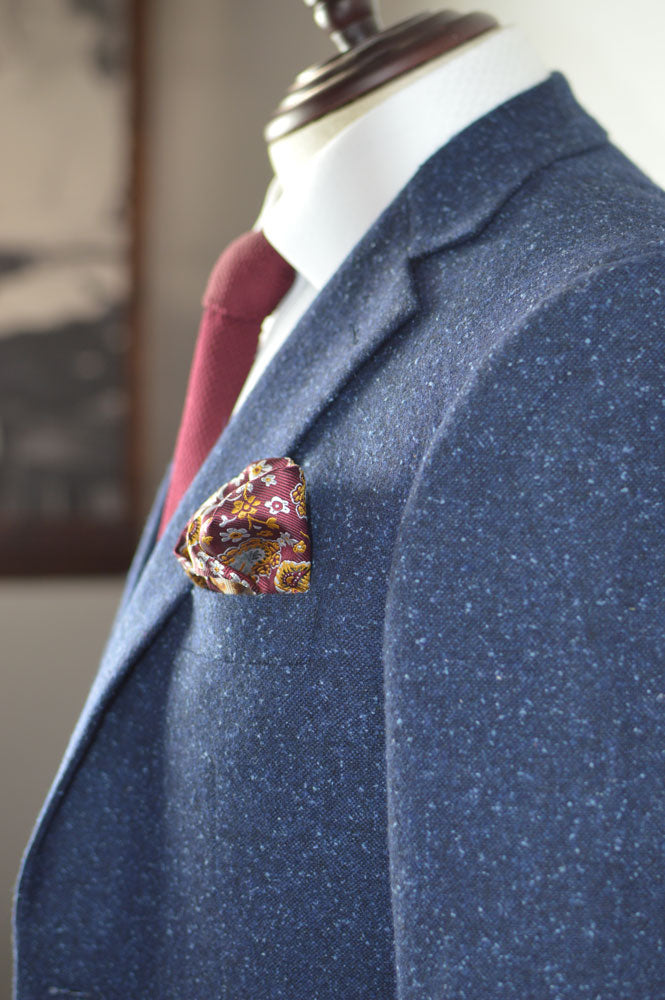


Why does the modern gentleman often overlook the one garment capable of transforming a standard suit into a statement of quiet authority? While the tweed waistcoat has been a staple of British sporting life since the 1840s, its transition to the contemporary city wardrobe requires a delicate balance of heritage and precision. You likely appreciate the tactile richness of 100% pure virgin wool, yet you've perhaps felt the frustration of a fit that bunches awkwardly or looks more like a costume than a tailored masterpiece.
We believe that a bespoke approach solves these grievances, ensuring your tweed waistcoat provides a flawless silhouette without the weight or stiffness of mass-produced alternatives. This guide promises to help you select, style, and commission a piece that embodies timeless British elegance while meeting the demands of your personal aesthetic. You'll learn the essential hallmarks of expert construction, the differences between iconic weaves, and the subtle art of layering for both formal and relaxed social settings.
Key Takeaways
- Trace the evolution of quintessential British fabrics, from Harris to Donegal, and understand how specific cloth weights influence both drape and seasonal versatility.
- Master the nuances of versatile styling to seamlessly integrate a tweed waistcoat into your wardrobe, whether completing a formal three-piece suit or elevating a refined smart-casual ensemble.
- Gain a tailor’s insight into achieving an impeccable fit, focusing on the essential proportions required to maintain a clean silhouette and avoid the common "shirt triangle" error.
- Explore the exclusive benefits of the bespoke journey, from accessing rare patterns at renowned British mills to the final, hand-finished details that define a Jennis & Warmann masterpiece.
The Enduring Legacy of the Tweed Waistcoat
The tweed waistcoat stands as a cornerstone of British sartorial identity, bridging the rugged landscapes of the Scottish Highlands and the refined streets of Savile Row. Originally designed as a utilitarian layer for outdoor pursuits in the 19th century, this garment has undergone a sophisticated evolution. It now represents the pinnacle of the modern gentleman’s wardrobe, offering a tactile richness that flatter fabrics simply cannot replicate. To understand its journey is to appreciate The Enduring Legacy of the Tweed Waistcoat, a narrative rooted in durability and elevated by meticulous craftsmanship. Beyond its aesthetic appeal, a well-fitted waistcoat provides a structural embrace that enhances a wearer's posture. This physical grounding translates into a palpable sense of poise, allowing a man to command a room with quiet confidence. It's a garment that doesn't just sit on the body; it shapes the wearer's presence.
Tweed as a Cultural Icon
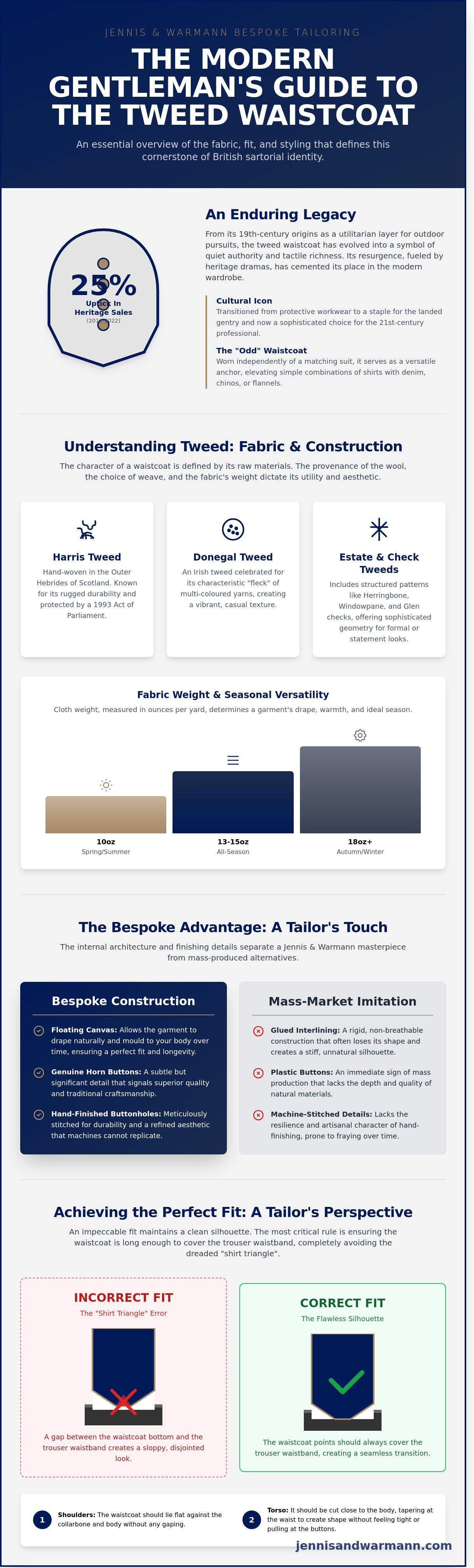
British tailoring circles have long revered tweed for its resilience and unique colour palettes. While it began as protective workwear for farmers and estate keepers, its status shifted as the landed gentry adopted it for country sports. Between 2013 and 2022, heritage television dramas sparked a massive resurgence in the garment's popularity. UK retailers reported a 25% uptick in heritage-style sales following major series releases during this period. Modern iterations have shed the boxy silhouettes of the past. Today’s garments feature slimmer cuts and contemporary patterns, ensuring they remain relevant for the 21st-century professional who values a connection to the past. The master tailor's touch ensures these pieces feel as comfortable in a London boardroom as they do in a rural retreat.
Why Every Wardrobe Needs an "Odd" Waistcoat
An "odd" waistcoat is a piece worn independently of a matching suit, serving as a versatile anchor for various ensembles. Unlike the smooth, often characterless finish of worsted wool, tweed offers a multi-tonal depth that pairs effortlessly with denim, chinos, or heavier flannels. This adaptability makes it an essential component of a curated wardrobe. By introducing a different texture, you create a visual focal point that suggests a high level of sartorial intent. A tweed waistcoat serves as the definitive sartorial bridge that elevates a standard shirt and trouser combination into a deliberate statement of personal style. For those seeking a complete aesthetic, exploring a range of men’s tweed suits can provide further inspiration for these versatile layers. Investing in such a piece is an acknowledgement that true style lives in the details of texture and fit.
Understanding Tweed Fabrics and Construction
To truly appreciate the tweed waistcoat, one must first understand the raw materials and structural integrity that define its character. The provenance of the wool is paramount. Harris Tweed, protected by the 1993 Harris Tweed Act, remains a quintessential choice for those seeking rugged durability and hand-woven heritage from the Outer Hebrides. Donegal tweed offers a different aesthetic; it's celebrated for the "fleck," where small tufts of multi-coloured wool are knotted into the yarn to create a vibrant, textured finish. Estate tweeds provide a more structured alternative, originally designed to distinguish staff on specific Scottish lands through unique colour combinations and patterns.
Fabric weight dictates the seasonal utility of the garment. We measure these cloths in ounces per linear yard, typically ranging from a breathable 10oz for spring to a substantial 18oz for the depths of winter. Beyond the weight, the internal architecture separates a bespoke masterpiece from a high-street imitation. A floating canvas construction allows the waistcoat to drape naturally and mould to the wearer's body over time. This is vastly superior to the glued interlinings found in mass-market retail, which lack breathability and often lose their shape after several visits to the dry cleaners. Quality is further evidenced by genuine horn buttons and hand-finished buttonholes, details that reflect the meticulous standards of the Master Tailor.
Choosing Your Weave: Herringbone, Check, and Fleck
The choice of weave sets the tone for your entire ensemble. Herringbone, with its distinctive V-shaped pattern, offers a refined texture that's perfectly suited for formal events or the boardroom. For a more relaxed, country-inspired look, the Donegal fleck provides a casual versatility that pairs effortlessly with denim or chinos. If you wish to make a more assertive statement, windowpane and Glen checks offer a sophisticated geometry. These patterns often incorporate subtle overchecks in contrasting hues, allowing the modern gentleman to express individuality without sacrificing elegance.
The Technical Elements of a Tailored Waistcoat
A well-constructed tweed waistcoat relies on several functional features to ensure a perfect fit. The back cinch, or adjuster, is essential for refining the silhouette, allowing the garment to sit flush against the small of the back. While single-breasted configurations remain the standard for versatile layering, a double-breasted cut adds a layer of sartorial authority. We recommend silk linings for their superior breathability and smooth movement against a shirt. Exploring our collection of men's tweed suits reveals how these technical elements converge to create a garment of lasting value and distinction.
How to Style a Tweed Waistcoat for Any Occasion
The tweed waistcoat serves as the architectural heart of a gentleman's ensemble, providing a structured layer that bridges the gap between heritage and contemporary flair. It's a garment of remarkable versatility. Whether you're attending a winter wedding or enjoying a brisk weekend in the Cotswolds, the way you style this piece defines your sartorial intent. A full three-piece suit remains the definitive choice for those seeking a look of impeccable authority. This configuration is particularly effective for autumn and winter events where the weight of a 400g tweed provides both warmth and a commanding silhouette.
For a sophisticated smart-casual crossover, the waistcoat functions brilliantly as a standalone hero. Pair a rich lovat or charcoal herringbone with dark indigo denim or tailored navy chinos. This combination balances the rugged texture of the wool with the clean lines of modern casualwear. Colour coordination should remain rooted in the natural world. Earthy tones such as bracken, moss, and peat find their most elegant expression when set against the crisp backdrop of a white or sky-blue poplin shirt. This contrast highlights the intricate weave of the fabric without overwhelming the wearer's complexion.
Mastering the etiquette of the waistcoat is what separates the enthusiast from the expert. Adhering to the "Bottom Button Rule" is essential; by leaving the lowest fastening undone, you allow the garment to drape naturally over the hips and prevent the fabric from bunching while seated. Furthermore, the length is critical. A correctly fitted waistcoat must always cover the trouser waistband to ensure no triangle of shirt fabric is visible, preserving a seamless vertical line that elongates the frame.
The Formal Approach: Weddings and Race Days
Integrating a tweed waistcoat into a bespoke wedding ensemble adds a layer of tactile luxury that standard worsted wool cannot replicate. For high-stakes events like a meeting at Cheltenham or a formal winter ceremony, choose accessories that provide a sensory contrast. A heavy silk tie in a deep burgundy or burnt orange complements the matte finish of the tweed. Ensure your pocket square echoes one of the subtle flecks of colour in the wool's windowpane check to create a cohesive, meticulous finish.
The Modern Casual Approach: Weekend Refinement
Weekend styling requires a more relaxed, layered philosophy. A tweed waistcoat fits perfectly under a waxed field jacket or a tailored overcoat, offering an extra layer of insulation without the bulk of a full jacket. You can achieve a sharp "no tie" look by opting for a button-down Oxford shirt and leaving the top button undone. This aesthetic feels intentional yet effortless. Complete the outfit with robust footwear; grain leather brogues or handmade Chelsea boots provide the necessary weight to balance the substantial texture of the tweed.
Achieving the Perfect Fit: A Tailor’s Perspective
The architecture of a well-constructed tweed waistcoat is defined by its ability to remain stationary while the wearer moves. A master tailor first examines the height of the armhole, or the armscye, which must be cut high enough to allow for a full range of motion. If the armhole is positioned too low, any movement of the arms will pull the entire garment upwards, causing the shoulders to bunch and the hem to rise. This meticulous attention to the pivot point ensures that the waistcoat remains a second skin, maintaining its poise during a toast or a handshake.
Precision continues at the waistline. A frequent error in modern dressing is the appearance of the "shirt triangle," a sliver of white fabric visible between the bottom of the waistcoat and the top of the trousers. To avoid this sartorial lapse, the waistcoat must be long enough to fully cover the trouser belt line. This creates a seamless vertical line that elongates the frame. A flush fit at the collar is equally vital; the fabric should rest gently against the back of the neck without a gap. Off-the-rack garments often fail here because they are designed for a median posture that only 15% of the population actually possesses, leading to unsightly buckling at the nape.
Proportions and Body Type
The modern gentleman understands that his silhouette is a matter of geometry. For shorter men, a waistcoat that is too long will shorten the legs, making the wearer appear diminished. We recommend a slightly higher waistline to create the illusion of height. Conversely, the depth of the V-neck serves a dual purpose. A deeper opening can broaden the chest by drawing the eye outward, while a higher fastening point provides a traditional, more enclosed look. Bespoke tailoring is particularly transformative for athletic builds, where a 25-centimetre drop from chest to waist often leaves ready-to-wear options looking boxy and unrefined.
The Art of the Cinch
The rear cinch is a tool for minor refinement, not a solution for a poorly cut garment. When a tweed waistcoat is drafted correctly, the back adjuster should only be used to pull the fabric taut across the small of the back. Over-tightening leads to unsightly fabric bunching and places unnecessary strain on the buckle. The perfect fit should feel like a firm embrace rather than a restrictive grip. It’s about achieving a drape that follows the natural contours of the spine with effortless grace.
Experience the distinction of a garment cut specifically for your proportions by exploring our exquisite collection of tweed suits and separates.
The Bespoke Advantage at Jennis & Warmann
Choosing a bespoke tweed waistcoat isn't merely a purchase; it's a dedicated investment in British heritage. The journey from your initial consultation to the final hand-finished garment is a narrative written in cloth. We source our materials from the most prestigious mills in Scotland and the North of England, ensuring you have access to rare tweed patterns and exclusive textures that aren't available on the high street. This process begins with your unique vision, translated through the hands of a master tailor who understands the nuances of drape and structure.
Personalisation is where your garment truly becomes a signature piece. We offer an array of exquisite options, from vibrant silk linings that provide a hidden flash of colour to bespoke embroidery of initials or family crests. Every detail, from the choice of horn buttons to the placement of the watch pocket, is meticulously considered. This level of craftsmanship transforms a functional layer into a masterpiece of personal expression. Investing in such a garment means owning a piece designed to last a lifetime, gaining character and softness with every year of wear.
Our Commitment to Artisanal Excellence
Our 15 years of experience informs every stitch of our formal suits and separates. We view the creation of a tweed waistcoat as a collaborative design process. You provide the inspiration, and we provide the technical expertise to bring it to life. This slow-fashion approach ensures your garment is the ultimate sustainable choice for the modern gentleman. By choosing bespoke, you reject the cycle of disposable fashion in favour of a garment engineered for longevity and impeccable fit.
- Expert Guidance: We help you navigate the weights and weaves of different tweeds to suit your lifestyle.
- Meticulous Construction: Our garments use traditional techniques that ensure the waistcoat retains its shape over decades.
- Sustainable Luxury: Hand-cut and hand-finished in a way that minimises waste and maximises quality.
Beginning Your Tailoring Journey
We suggest reading our parent guide on bespoke tweed suits to familiarise yourself with the quintessential elements of British tailoring. Preparation is key to a successful first fitting. Think about how you intend to wear the piece. Will it be part of a three-piece ensemble for formal events, or a standalone statement for casual weekends? Bring any specific ideas for silhouettes or pocket styles to your session.
The Jennis & Warmann difference lies in where tradition meets contemporary style. Whether you join us for an in-person fitting in London or a detailed online design session, we ensure the experience is seamless and sophisticated. We don't just aim for a perfect physical fit; we aim for a garment that mirrors your personal success and self-assurance. It's time to experience the art of tailoring as it was always meant to be.
Elevate Your Wardrobe with Timeless British Tailoring
Embracing the heritage of the tweed waistcoat involves more than just selecting a garment; it's an investment in a legacy of British style that has defined the modern gentleman for generations. You've explored how the right fabric, sourced from historic mills, and a precise, tailor-led fit can transform your silhouette from ordinary to exceptional. Quality is never accidental. It's the result of over 15 years of bespoke tailoring expertise and a commitment to using only the most exquisite hand-finished craftsmanship in our London studio.
By providing access to the world’s finest tweed mills, we ensure your garment carries the weight of tradition while meeting the demands of contemporary life. Your journey toward a truly personal style starts with a single, deliberate step into the realm of custom design. Book your personal tailoring consultation with Jennis & Warmann to begin crafting a piece that's uniquely yours. We look forward to helping you define your sartorial legacy with poise and precision.
Frequently Asked Questions
Should I choose a single-breasted or double-breasted tweed waistcoat?
Choose a single-breasted tweed waistcoat for maximum versatility and a modern silhouette, whereas a double-breasted option offers a more formal, commanding presence. The single-breasted style, typically featuring five or six buttons, remains the most popular choice for 75% of our bespoke commissions due to its adaptability. The double-breasted variant, often finished with a shawl lapel, provides an extra layer of warmth and a distinct sartorial statement that's ideal for weddings or formal country pursuits.
Can I wear a tweed waistcoat with a different coloured suit?
You can certainly wear a tweed waistcoat with a different coloured suit to create a sophisticated "odd waistcoat" look. This practice, rooted in 19th-century sporting traditions, allows for a refined contrast that breaks the monotony of a standard two-piece suit. For instance, pairing a forest green herringbone waistcoat with a navy blue lounge suit creates a visually compelling ensemble that's both traditional and contemporary. Ensure the textures complement each other to maintain a cohesive aesthetic across the garment.
How do I clean and maintain my wool tweed waistcoat?
Professional dry cleaning once a year is usually sufficient for a wool tweed waistcoat, as natural fibres possess inherent dirt-repellent properties. For minor spills, spot clean the area immediately with cold water and a soft cloth, avoiding any vigorous rubbing that might damage the weave. Between wears, hang your garment on a wide, padded hanger to maintain its structure. A 24-hour rest period between outings allows the wool to shed creases and moisture naturally.
What is the difference between a tweed waistcoat and a gilet?
A tweed waistcoat is a tailored, close-fitting garment designed to be worn over a shirt and under a jacket, while a gilet is a more casual, padded outer layer intended for warmth. Waistcoats feature a refined construction with a silk or acetate back and an adjustable cinch to ensure a precise fit. In contrast, gilets often use heavier quilting or fleece linings, prioritising utility over the sharp, sculpted lines of traditional British tailoring. The waistcoat remains the quintessential choice for formal layering.
Is it acceptable to wear a belt with a waistcoat?
You should avoid wearing a belt with a waistcoat because it creates an unsightly bulge beneath the hem of the garment. A properly tailored waistcoat is designed to cover the waistband of your trousers entirely, and a belt buckle disrupts this smooth transition. For the most impeccable silhouette, we recommend trousers with side adjusters or braces. This ensures the 1 to 2 inches of overlap required between the waistcoat and trousers remains flat and uninterrupted throughout the day.
How tight should my waistcoat be when fully buttoned?
Your waistcoat should fit snugly against the torso without any pulling at the buttons or gaping at the armholes. It should feel like a firm embrace, providing a structured line that enhances your natural physique. When fully buttoned, you should be able to slide two fingers comfortably between the fabric and your chest. A well-fitted tweed waistcoat will lie flat against the shirt, ensuring there's no excess fabric to bunch up when you move or sit.
What shirt collar style works best with a tweed waistcoat?
A semi-cutaway or spread collar is the most harmonious choice for a tweed waistcoat, as it provides ample space for a silk tie. These collar styles sit neatly under the points of the waistcoat's neckline, creating a balanced frame for the face. Avoid button-down collars for formal occasions, as they can appear too casual against the rich texture of the tweed. The goal is to ensure the collar points remain tucked securely behind the waistcoat's edge to maintain a polished appearance.
Can a tweed waistcoat be worn in the summer months?
A tweed waistcoat can be worn in summer if you select a lighter weight fabric, such as a 300g Cheviot or a linen-blend tweed. While traditional Harris Tweed is often associated with winter, modern mills now produce breathable weaves that offer the same heritage aesthetic without the excessive heat. Pairing a lighter tweed with a crisp linen shirt allows for comfortable wear during outdoor events, even when temperatures reach 25 degrees Celsius in the height of July.